
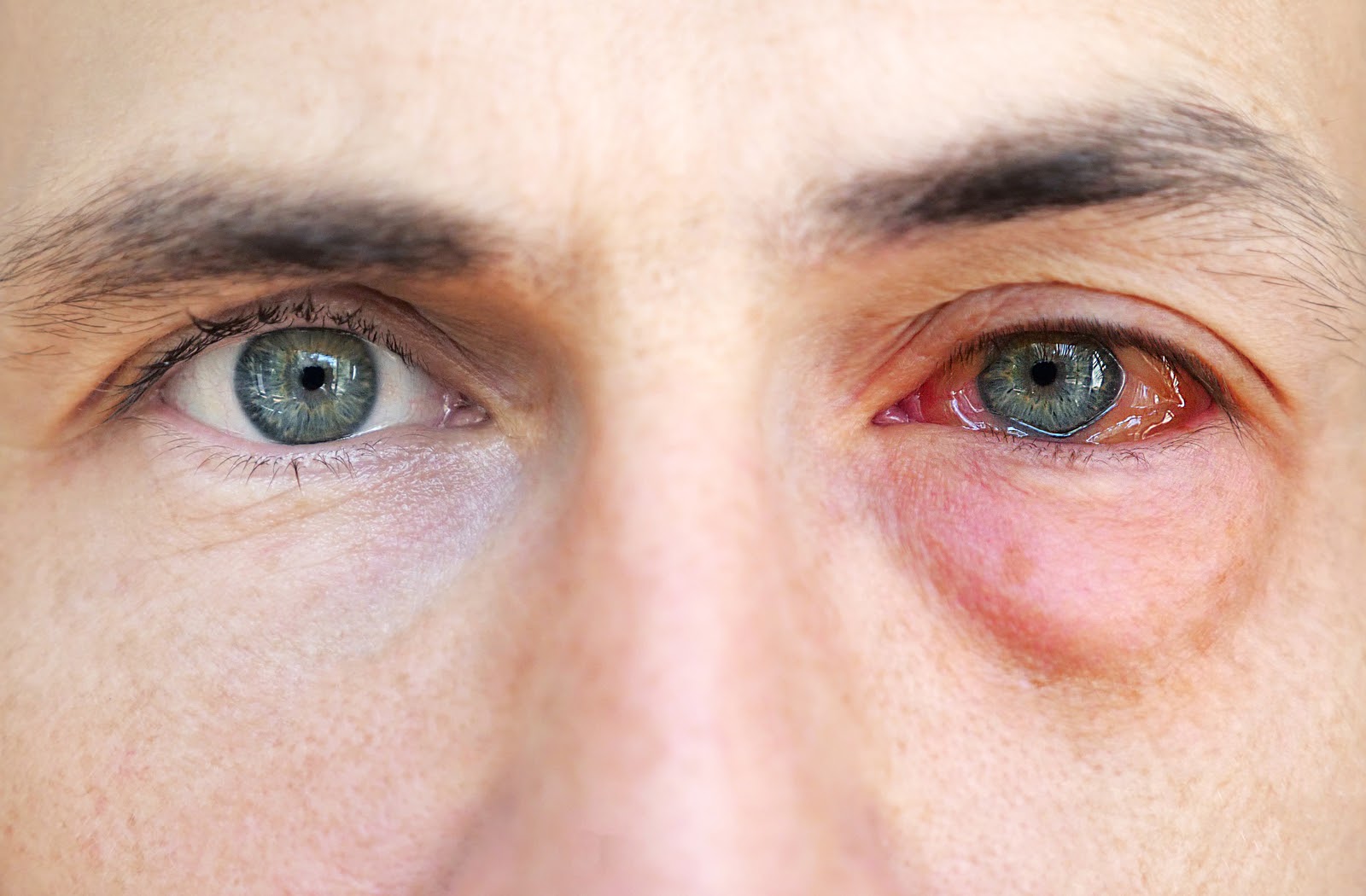
Have you ever stepped outside and felt an instant burn around your eyelids? That surge is the surface reacting to pollen and airborne irritants. Your immune system releases histamine, which widens vessels and itches. The conjunctiva swells and looks pink or glassy. Tears become watery yet oddly less protective. The tear film thins, and debris lingers longer. Rubbing adds micro-irritations that worsen redness quickly. A simple plan can calm this cycle before it spikes.
What everyday exposures matter most?
Allergens ride clothing, hair, lashes, and lenses. Open windows invite pollen during peak hours. Fans recirculate particles across the ocular surface repeatedly. Outdoor workouts near trees increase cumulative exposure. Pets bring outdoor allergens onto sofas and pillows. Bedding traps particles that irritate eyes overnight. Sunglasses reduce drift but shape and seal matter. Small adjustments around these points often deliver steady relief.
How can you reduce exposure without overhauls?
Start by timing outdoor tasks after rainfall when air feels clearer. Choose wraparound sunglasses for better side coverage. Keep car vents on recirculate during heavy pollen periods. Shower before bed to clear hair and lashes. Launder pillowcases more often during peak weeks. Vacuum gently with a HEPA filter device. Place a clean, cool compress ready in the fridge. These tiny rituals protect comfort across the whole day.
Which eye drops actually help?
Lubricant drops add a protective layer that dilutes allergens. Pick preservative-free vials when dosing several times daily. Antihistamine-mast cell stabilizer drops reduce itch and redness. Decongestant-only drops can cause rebound redness later. Cooling the bottle makes application extra soothing. Space doses as directed for steadier effects. If lenses are worn, check compatibility first. Relief should feel gentle, not stinging or sticky.
Are cold compresses worth your time?
Cold calms vessels and quiets nerve signals quickly. A clean cloth and cold water are enough. Ten minutes reduces puffy lids and itch noticeably. Keep pressure light to avoid rubbing the surface. Follow with lubricant drops to restore the tear film. Use the compress after outdoor exposure when possible. Consistency beats intensity with this simple tool. Many readers call this their fastest relief method.
Should you rub or rinse after exposure?
Resist rubbing; it worsens swelling and spreads allergens. Choose sterile saline rinses to flush particles gently. Blink slowly while rinsing to sweep debris outward. Pat the lids dry with a soft, clean towel. Follow with a cool compress for added comfort. Apply drops after the compress to seal moisture. This sequence reduces friction and stinging together. Your eyes should feel calmer within minutes.
Do contact lenses make symptoms worse?
Lenses can trap pollen and tear film debris. Daily disposables reduce buildup across long days. Rewetting drops labeled for lenses help between blinks. Consider glasses on peak pollen mornings. Clean cases and tweezers with care each evening. Replace lens solutions according to labeled schedules. Skip lenses if eyes look pink or filmy. Call your clinician if comfort never stabilizes.
How does screen time interact with itchy eyes?
Screens reduce blink rates and dry surfaces fast. Fewer blinks mean thinner protection for allergens. Try the 20-20-20 refresh habit during work. Add deliberate full blinks to coat the cornea. Raise monitors to eye level to reduce lid strain. Keep a small humidifier at your desk. Drink water at regular intervals for tear support. Dryness and allergens often improve together.
What helps kids during school days?
Children rub because discomfort feels strange and urgent. Teach gentle dabbing with a cool, clean pad. Pack preservative-free vials if approved by your clinician. Ask teachers about seating away from open windows. Plan indoor breaks during peak playground pollen counts. Wash hands and faces after outdoor activities. Swap sweaters or hoodies when arriving home. Kids adapt well when routines stay simple.
How do sleep and hydration support calmer eyes?
Rested bodies regulate inflammation more effectively. Seven to nine hours improves daily tolerance to allergens. Evening showers clear particles from lashes and brows. Hydration supports stable tear film quality during work. Limit late caffeine that fragments sleep cycles. Keep bedrooms clean and clutter light for airflow. Choose breathable bedding that launders easily. Your mornings will often look clearer and brighter.
When should you call an eye doctor?
Call for severe pain, light sensitivity, or blurred vision. Call if discharge becomes yellow or crusty. Call if one eye looks much worse than the other. Call when redness persists despite careful routines. Ask about safe antihistamine-stabilizer options for you. Ask about steroid drops only under supervision. True infections or corneal issues need timely evaluation. Fast checks protect vision and comfort together.
What to ask at the pharmacy today?
Request preservative-free lubricants for frequent daytime use. Ask for antihistamine-stabilizer drops with once-daily dosing. Confirm if a product suits contact lens wearers. Choose sterile saline vials for quick after-outdoor rinses. Pick a soft eye mask that cools evenly. Verify timelines for safe use alongside lenses. Clarify signs that require medical follow up. Keep packaging for clear directions at home.
How to build a simple daily plan?
Set a morning drop routine before leaving home. Add wraparound sunglasses to your grab-and-go list. Keep a compact rinse vial in your bag. Apply a cool compress after returning indoors. Rinse lashes in the shower before bed. Swap pillowcases every few nights during peak weeks. Log triggers to see patterns over time. Simplicity keeps habits alive during busy seasons.
According to our editor’s research, what patterns help most?
According to our editor’s research, a three-part rhythm stands out. People who pre-cool compresses use them more often. Readers who switch to daily disposables report fewer flare days. Households that clean pillowcases more often wake clearer. Work teams that try blink breaks report fewer afternoon stings. Families that wear wraparound frames outdoors note steadier comfort. Small habits, applied consistently, beat occasional big fixes.
As a result of our editor’s reviews, what tools help?
As a result of our editor’s reviews, simple tools outperform gadgets. HEPA filter vacuums cut bedroom irritation noticeably. Soft microfiber cloths reduce lid friction during care. Chillable masks fit faces better than bulky gel packs. Compact saline vials travel well in crowded bags. Desk humidifiers improve mid-day dryness without mess. The best tool is the one you actually use.
Where do sunglasses and hats fit in?
Frames that hug the temples block lateral drift. Larger lenses reduce top and bottom exposure. A cap or brim pushes particles away from lashes. Polarized lenses cut glare that amplifies fatigue. Clean frames nightly to remove residue and dust. Keep a backup pair in the car for errands. Choose comfortable styles you will wear daily. Protection only works when it is worn.
What about makeup and skincare around the eyes?
Fragrance-heavy products can irritate sensitive lids. Choose gentle cleansers that rinse completely. Remove eye makeup slowly to avoid tugging. Replace mascaras and liners on recommended schedules. Avoid sharing products during peak symptom weeks. Patch test new creams on the forearm first. Keep applicators clean and tightly closed. Comfort improves when surfaces stay calm and clean.
Can nutrition play a supportive role?
Omega-3 rich foods may support meibomian gland function. Stable oils improve the tear film lipid layer. Balanced meals reduce inflammatory swings across days. Hydrating foods like cucumbers add gentle support. Avoid extremes that upset sleep or hydration cycles. A steady routine often helps more than a supplement. Discuss any supplements with your clinician before starting. Small, durable choices give the best returns.
How should you prepare for windy days?
Check morning conditions before outdoor plans. Choose short routes with more shade and buildings. Wear wraparound frames even on cloudy mornings. Rinse and compress after returning indoors. Keep doors and windows closed during gusty periods. Run a room purifier for a limited time. Aim for shorter, more frequent outdoor intervals. Your eyes will thank you later.
What if you must exercise outdoors?
Schedule sessions after rainfall or late evening. Pick tracks away from grass and dense trees. Wear sealed glasses made for sports activities. Carry saline vials for quick mid-run rinses. Shower and change shirts soon after finishing. Hydrate before and after the workout window. Keep indoor cross-training options on standby. Fitness and eye comfort can coexist with planning.
Do pets complicate allergy season for eyes?
Pets bring outdoor pollen deep into homes. Brush coats outside on high pollen days. Keep pets off pillows and bedtime blankets. Wash pet bedding on a regular schedule. Vacuum gently where pets nap most often. Rinse hands after playtime before touching your face. Assign a cozy, clean pet corner away from pillows. Small boundaries protect everyone’s comfort.
What signs suggest this is not just allergies?
Vision changes suggest corneal or lens issues. Pupil size differences require prompt evaluation. Thick, colored discharge may indicate infection. Severe pain is not typical for allergies. A scratched eye needs quick in-clinic care. Eye trauma requires urgent medical attention always. Trust your instincts when symptoms feel unusual. Safety first, certainty second, comfort third.
How do you stay motivated with routines?
Tie compress time to a regular daily task. Reward consistency with a relaxing evening ritual. Share goals with family for accountability. Keep supplies visible on a tidy tray. Track comfort scores beside your calendar. Celebrate clear-eyed mornings with a short walk. Adjust, do not abandon, when life shifts. Routines improve when they feel flexible and kind.