
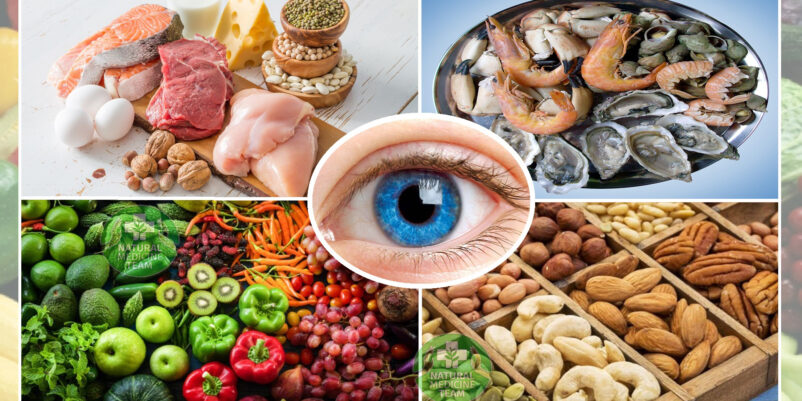
Vision feels effortless until small changes appear. Many people first notice eye fatigue during long screens hours. Others sense dryness, blurred focus, or slower visual adjustment. These signs often trigger worry and curiosity together. Could food choices really affect eyesight strength? According to our editor’s research reviews, nutrition quietly influences eye tissues every day. The connection feels subtle but remains scientifically consistent. Understanding this link helps people protect vision earlier.
Why nutrition matters for eye health?
Eyes require constant cellular renewal to maintain clarity. Nutrients support this renewal through oxygen delivery and tissue repair. Without proper nutrition, oxidative stress damages delicate eye structures. Many eye conditions progress silently for years. According to our editor’s clinical summaries, diet shapes risk long before symptoms appear. Vitamins and minerals help defend retinal cells. Nutrition works preventively rather than reactively. That makes food choices surprisingly powerful.
How do eyes use nutrients daily?
Eyes consume high oxygen levels compared to body size. This creates constant exposure to oxidative byproducts. Nutrients act as protective shields against this stress. Retinal cells depend on steady fuel supplies. Blood vessels deliver nutrients continuously to eye tissues. According to our editor’s physiological reviews, interruptions weaken visual performance. Daily intake consistency matters more than occasional supplementation. Eyes thrive on regular nourishment.
Which nutrients support vision most?
Certain nutrients repeatedly appear in eye health research. These include vitamins, minerals, and beneficial fats. Each plays a specific supporting role. Vitamin based antioxidants protect against light induced damage. Minerals assist nerve signaling and circulation. Healthy fats maintain cell membrane flexibility. According to our editor’s evidence scans, synergy matters more than single nutrients. Balanced intake works best.
What role do antioxidants play in eye protection?
Antioxidants neutralize harmful free radicals inside eye tissues. Light exposure constantly generates oxidative stress. Without antioxidants, damage accumulates silently. This contributes to gradual vision decline. According to our editor’s comparative analyses, antioxidant rich diets show protective trends. Colorful plant foods usually provide these compounds. Variety improves antioxidant coverage. Consistency remains key for benefit.
Why is vitamin A important for vision?
Vitamin A supports light perception in the retina. It helps convert light into nerve signals. Deficiency can impair night vision significantly. Severe shortages may cause structural eye damage. According to our editor’s nutritional assessments, mild deficiency remains underrecognized. Balanced intake supports low light adaptation. Excess intake, however, should be avoided. Moderation ensures safety.
How do B vitamins affect eye comfort?
B vitamins support nerve health and blood circulation. Eyes rely on healthy nerve signaling for focus. Poor circulation affects retinal oxygen delivery. Fatigue and irritation may increase with deficiencies. According to our editor’s health pattern reviews, balanced B intake supports comfort. Whole foods provide diverse B vitamin sources. Regular intake sustains nerve resilience.
What about vitamin C and eye tissues?
Vitamin C concentrates heavily in eye fluids. It supports collagen structure within ocular tissues. This helps maintain lens and vessel integrity. Antioxidant action further protects against oxidative injury. According to our editor’s laboratory summaries, vitamin C levels decline with age. Dietary intake helps replenish reserves. Fresh produce remains an effective source.
How does vitamin E support eye health?
Vitamin E protects cell membranes from oxidative breakdown. Eye tissues contain high lipid content. This makes them vulnerable to oxidation. Vitamin E stabilizes these membranes effectively. According to our editor’s nutrition synthesis, adequate intake supports retinal health. It works best alongside other antioxidants. Balance enhances protective effects.
Why are omega fatty acids linked to vision?
Omega fatty acids support retinal cell flexibility. They also influence tear film stability. Dry eye symptoms often relate to fatty acid imbalance. These fats reduce inflammatory responses. According to our editor’s dietary reviews, omega intake correlates with comfort improvements. Balanced fat sources support eye lubrication. Consistency matters for noticeable benefits.
How does zinc contribute to eye function?
Zinc assists vitamin transport within the retina. It supports enzyme activity involved in vision processing. Deficiency may impair night vision adaptation. Zinc also supports immune defense in eye tissues. According to our editor’s mineral assessments, intake often falls short. Balanced diets usually provide adequate zinc. Excess supplementation requires caution.
Can diet influence age related eye changes?
Age affects nutrient absorption and tissue repair. Eyes become more sensitive to oxidative stress. Diet quality plays a larger role with aging. Nutrient rich foods may slow functional decline. According to our editor’s aging studies, diet patterns influence visual aging trajectories. Early habits shape later outcomes. Prevention begins long before symptoms.
How does hydration affect eye comfort?
Hydration supports tear production and circulation. Dehydration may worsen dryness and irritation. Eye tissues depend on fluid balance. Medications may increase dehydration risk. According to our editor’s wellness reviews, hydration often gets overlooked. Regular fluid intake supports comfort. Balanced hydration complements nutrition.
Do blood sugar levels impact eye health?
Blood sugar fluctuations affect small eye vessels. Prolonged imbalance damages retinal circulation. Vision changes may appear gradually. Diet influences glucose stability directly. According to our editor’s metabolic reviews, steady intake supports vascular health. Balanced meals reduce sharp glucose spikes. This protects delicate eye vessels.
How does protein support eye structures?
Protein supplies amino acids for tissue repair. Eye muscles and connective tissues rely on protein. Enzymes involved in vision require amino acids. Low intake may slow healing processes. According to our editor’s dietary evaluations, adequate protein supports structural maintenance. Quality sources matter alongside quantity. Balance remains essential.
What foods naturally support eye nutrition?
Whole foods provide nutrient combinations naturally. Fruits and vegetables deliver antioxidants. Fish and seeds supply beneficial fats. Whole grains contribute B vitamins and minerals. According to our editor’s food pattern reviews, diversity strengthens nutritional coverage. Single food reliance limits benefits. Variety remains the strongest strategy.
Can supplements replace dietary nutrition?
Supplements may help specific deficiencies. They do not replace balanced diets fully. Whole foods provide synergistic compounds. Excess supplementation may create imbalance risks. According to our editor’s clinical cautions, professional guidance matters. Diet remains the foundation for eye nutrition. Supplements serve supportive roles only.
How does lifestyle interact with eye nutrition?
Lifestyle habits influence nutrient demands. Screen exposure increases oxidative stress. Smoking depletes antioxidants rapidly. Physical activity improves circulation to eye tissues. According to our editor’s lifestyle analyses, nutrition works within broader habits. Diet alone cannot offset harmful behaviors. Integrated care supports vision best.
Why early nutrition awareness matters?
Eye conditions often develop silently. Symptoms appear after significant damage occurs. Nutrition offers early preventive support. Awareness allows gradual habit adjustment. According to our editor’s public health reviews, early education reduces later risk. Small changes accumulate over time. Prevention feels quieter than treatment.
How can people apply nutrition habits practically?
Simple choices create meaningful impact. Including colorful foods improves antioxidant intake. Balanced meals support steady nutrient delivery. Planning helps avoid nutritional gaps. According to our editor’s practical observations, consistency beats perfection. Sustainable habits matter most. Small steps build long term benefits.
What misconceptions exist about eye nutrition?
Many believe only supplements protect vision. Others expect immediate results from dietary changes. Nutrition works gradually, not instantly. Some fear fats unnecessarily. According to our editor’s myth reviews, education corrects these beliefs. Balanced understanding empowers better choices. Patience supports realistic expectations.
How do cultural diets influence eye health?
Cultural diets vary widely in nutrient profiles. Traditional foods often offer protective elements. Modern processing may reduce nutritional density. Adapting traditions preserves benefits. According to our editor’s cultural nutrition insights, flexibility supports eye health. Respecting food heritage improves adherence. Cultural awareness matters.
What should people remember most about eye nutrition?
Eye health reflects long term nutritional patterns. No single food guarantees protection. Balanced intake supports resilience and comfort. Awareness encourages preventive care. According to our editor’s synthesis conclusions, nutrition supports vision quietly daily. Small habits shape future clarity. Eyes benefit from thoughtful nourishment.