Blog

How to Protect Your Vision From Screen Time

The contemporary human experience is increasingly mediated through the luminescence of digital displays, a transition that, while driving unprecedented connectivity and productivity, has inadvertently introduced a new category of widespread public health concern: Digital Eye Strain (DES), also commonly referred to as Computer Vision Syndrome (CVS). This is not an isolated ailment but a spectrum…
Read more
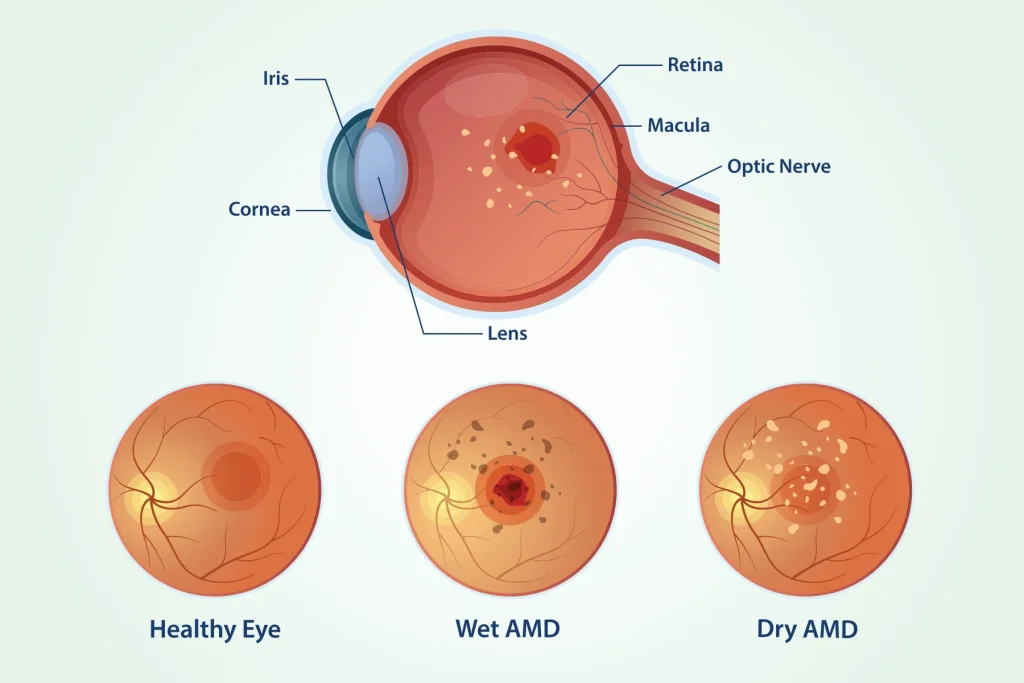
Age Related Macular Degeneration Explained

Our eyesight is incredibly precious. It allows us to see the world. Age can bring many changes. Some are normal, like reading glasses. Others are more serious concerns. Age-related macular degeneration (AMD) is one. It affects central vision. This makes daily tasks hard. Understanding this condition is key. It helps in early detection. This can…
Read more

Understanding Eye Pressure and Its Importance

The eye is not an empty chamber. The eye maintains its shape through internal fluid known as aqueous humor. This fluid flows between the lens and the cornea. It nourishes tissues and clears metabolic waste. Its production and drainage are tightly regulated. Any imbalance can lead to increased pressure. This pressure is measured in millimeters…
Read more

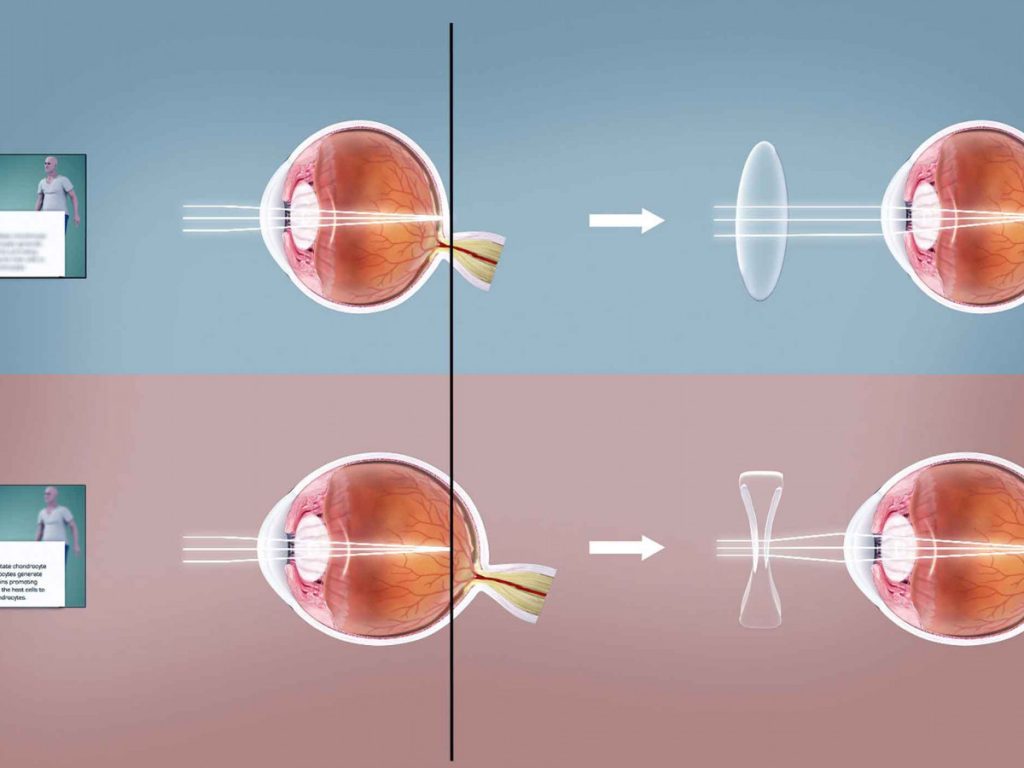
Refractive Errors: Myopia, Hyperopia, and Astigmatism

Vision depends on precise light focus. Blurry vision may result when light does not focus directly on the retina. Each eye condition alters how light enters. The shape of the eyeball or cornea changes how images are processed. Clear sight requires perfect refraction alignment. Without it, the brain receives distorted input. Not everyone experiences the…
Read more

How to Prevent Eye Strain in the Digital Age

Screens change how often we blink. Most people blink less while focusing on devices. This leads to dryness, especially on the corneal surface. With fewer blinks, the tear film evaporates faster. Eyes begin to sting, itch, or feel heavy. The symptoms may go unnoticed at first. But over time, they build into consistent discomfort. Artificial…
Read more

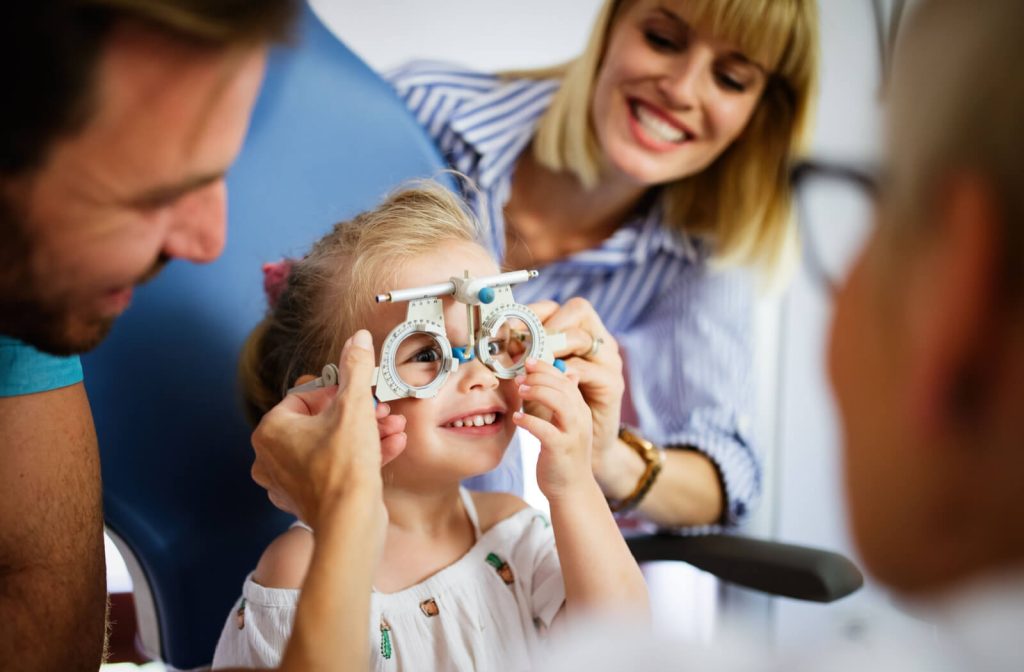
Eye Exams for Children: What Parents Should Know

She never complained. She drew. Read books. Played games. Everything seemed fine. But at school, her teacher noticed squinting. She held books closer. Missed things on the board. We assumed she was distracted. The eye exam said otherwise. She needed glasses. I didn’t even know what to look for until someone else noticed first. The…
Read more

How Diabetes Can Negatively Impact Your Eye Health

Diabetes affects blood vessels throughout the body. The eye contains some of the most delicate vessels of all. Inside the retina, these capillaries regulate oxygen and nutrients for vision. When blood sugar stays high, the vessel walls thicken or leak. Fluid can build behind the retina, blurring the image. Over time, the eye loses its…
Read more

What to Expect Before and After LASIK Surgery

LASIK is a procedure that changes the shape of the cornea using a laser beam. This reshaping allows light to focus more precisely on the retina. It can correct nearsightedness, farsightedness, and astigmatism. The procedure doesn’t replace the lens but alters the front part of the eye. Patients with stable prescriptions are typically better candidates.…
Read more

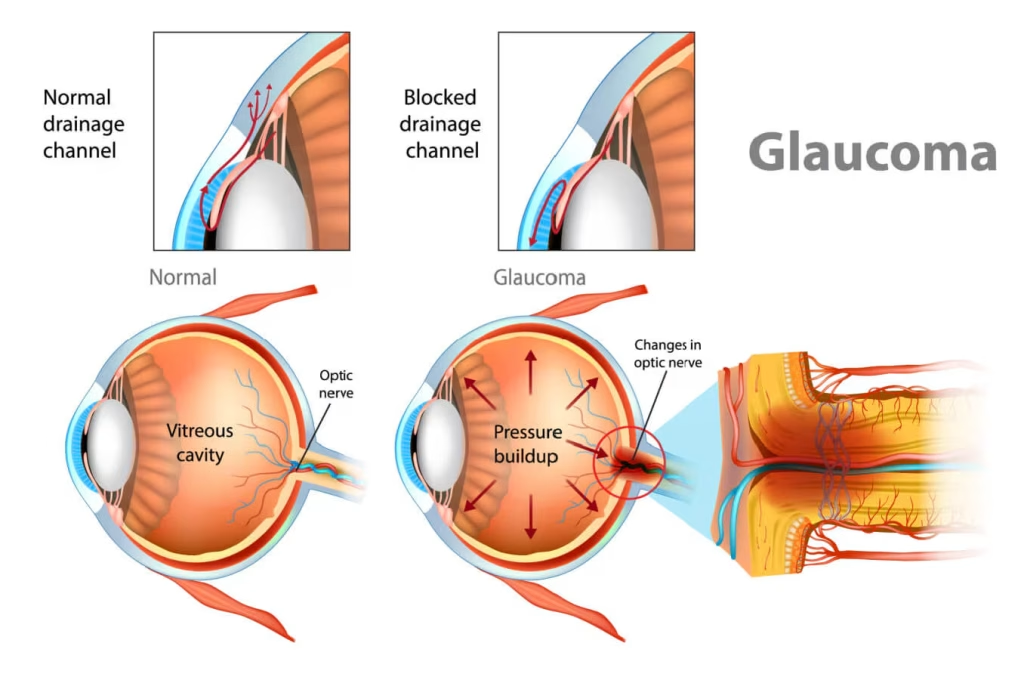
What Is Glaucoma and How Is It Detected?

Most people don’t even know they have it There’s a strange kind of silence around glaucoma. People live with it for years unknowingly. It doesn’t knock loudly. It doesn’t scream. It whispers. Vision loss begins quietly. Often, there are no red flags until it’s too late. It’s not rare. It’s not loud. It doesn’t hurt.…
Read more

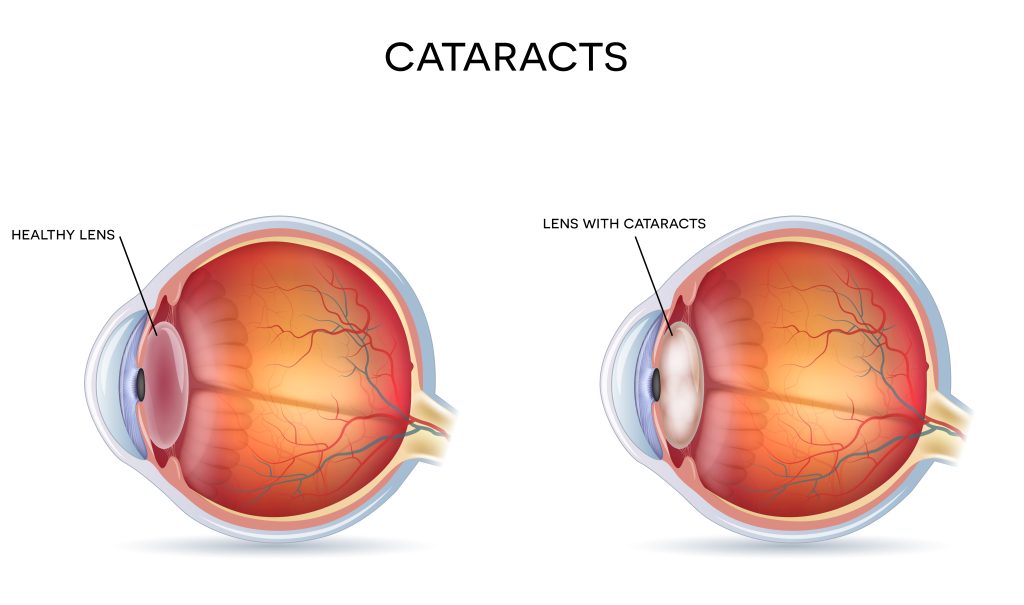
Understanding Cataracts: Causes and Treatment

You start cleaning your glasses more, but nothing clears the blur. At first, it’s subtle. The world looks a little dull. Colors seem faded. Light glares more. You clean your glasses again. But the smudge isn’t on the lens. It’s inside the eye. The lens, once clear, begins to cloud. That cloud has a name—cataract.…
Read more