
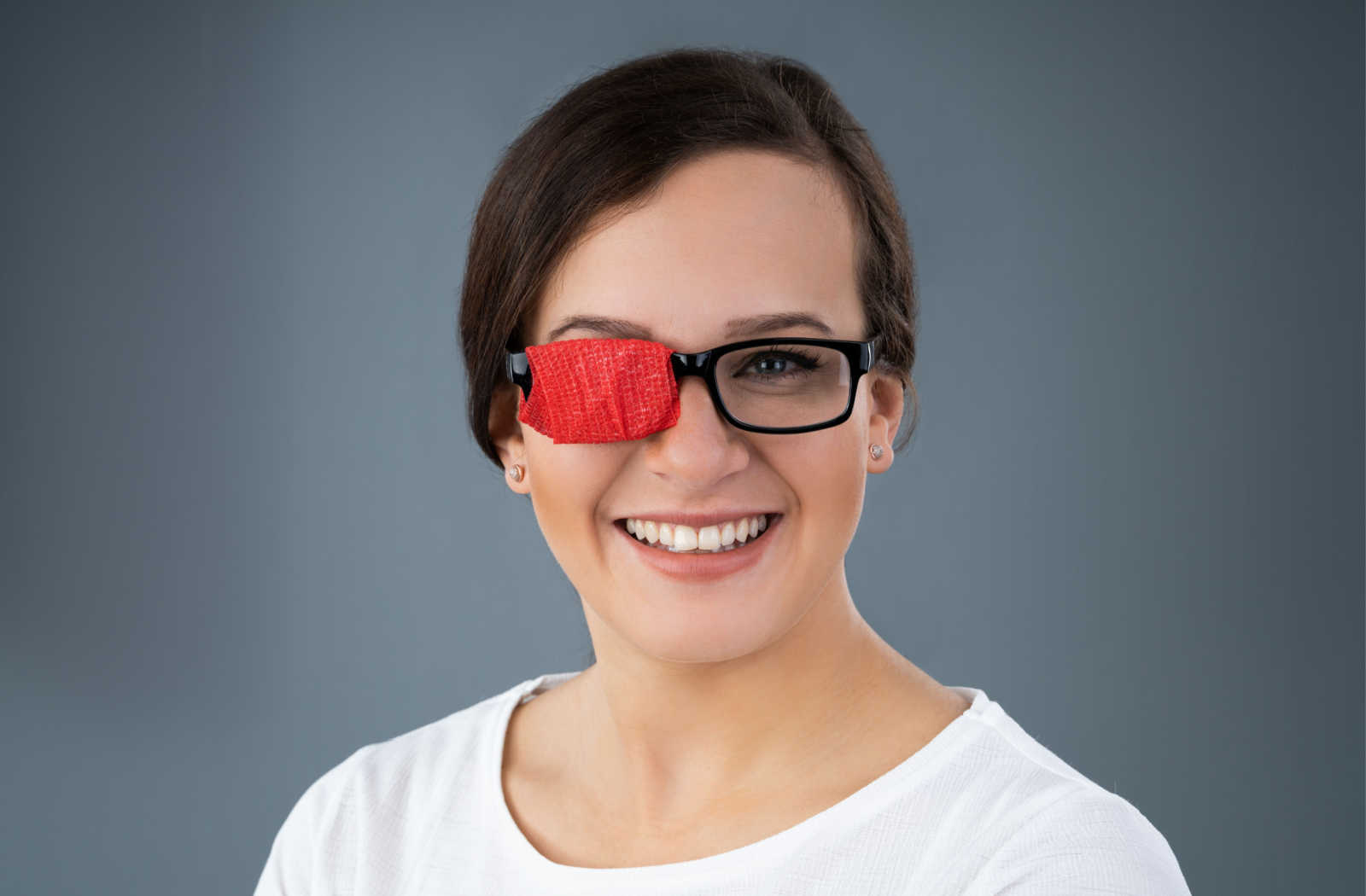
Lazy eye develops when the brain favors one eye over the other, and this imbalance affects visual clarity, depth perception, and long-term eye coordination even when the affected eye appears structurally normal during routine examination.
What causes a lazy eye to develop?
A lazy eye develops when the brain reduces input from one eye and relies heavily on the other. This imbalance usually begins early in childhood when the visual system is still developing rapidly. According to our editor’s research, common causes include unequal refractive errors, misaligned eyes, or partial vision blockage. These issues make the brain treat one eye as less reliable. Over time, the weaker eye receives less stimulation and its visual pathways develop more slowly. This delay changes depth perception and affects everyday activities. Early detection helps prevent long-term changes in vision. Many eye specialists emphasize that timing plays a major role in treatment success.
How does eye misalignment affect development?
Eye misalignment makes it difficult for both eyes to focus on the same object at the same time. When the eyes point in different directions, the brain receives conflicting images. As a result of our editor’s reviews, the brain often suppresses one eye to avoid double vision. This suppression becomes stronger over time and eventually weakens the affected eye. Misalignment creates challenges for reading, sports, and daily tasks that require coordination. When children avoid using the weaker eye, the imbalance becomes more noticeable. Realigning the eyes helps restore balanced input to the brain. Early correction improves long-term outcomes.
Why do refractive errors contribute to a lazy eye?
Refractive errors affect how clearly each eye sees, and unequal clarity causes the brain to rely on the sharper eye. The weaker eye struggles to create a clear image, which leads to reduced stimulation. According to our editor’s research, significant differences in refractive power increase the risk of lazy eye. The brain favors the eye that produces clearer images. Over time, this separation weakens visual pathways in the affected eye. Correcting refractive errors helps restore clarity. Regular eye exams support early detection of these differences. Balanced vision encourages the brain to use both eyes more evenly.
How do cataracts or blockages trigger lazy eye?
Cataracts or other blockages prevent light from reaching the retina clearly. When the affected eye receives blurred or dim images, the brain naturally shifts attention to the healthier eye. As a result of our editor’s reviews, even mild blockages can disrupt normal development. Early treatment removes or reduces the obstruction and improves visual stimulation. Children with congenital cataracts often need prompt care to protect long-term vision. Blockages also create challenges with eye coordination and depth perception. Restoring clarity helps the weaker eye regain function. Continuous monitoring ensures stable progress.
What symptoms suggest a child may have a lazy eye?
Lazy eye often progresses quietly because children rarely notice the imbalance. Parents or teachers may observe signs such as squinting, tilting the head, or closing one eye during tasks. According to our editor’s research, children with lazy eye may avoid activities requiring precise vision. They might bump into objects or struggle with reading alignment. Depth perception may appear reduced during sports or play. Symptoms vary by severity and cause. Regular eye examinations help confirm the diagnosis. Early detection improves the effectiveness of treatment options. Awareness of subtle signs supports timely intervention.
How do specialists diagnose a lazy eye?
Eye specialists diagnose lazy eye using tests that measure clarity, alignment, and depth perception. These evaluations reveal how well each eye contributes to binocular vision. As a result of our editor’s reviews, diagnostic tools vary by age because younger children require simplified testing. Specialists may use lights, charts, or alignment assessments to detect suppression. Detailed exams help identify underlying causes such as refractive errors or misalignment. Diagnosis often includes imaging or dilation to observe internal structures. Clear understanding of the cause guides the treatment plan. Early testing supports better outcomes.
How is patch therapy used for treatment?
Patch therapy helps strengthen the weaker eye by covering the stronger one for specific periods. This approach forces the brain to rely on the weaker eye. According to our editor’s research, patching improves visual pathways when used consistently. Treatment plans vary based on age and severity. Some children need only a few hours per day while others require longer sessions. Parents play a major role in ensuring consistency. Activities such as reading or drawing during patch time help stimulate the weaker eye. Gradual improvements appear with regular use. Patch therapy remains one of the most common treatments.
Why are eye drops used in some cases?
Atropine eye drops blur vision in the stronger eye, forcing the brain to use the weaker one. This method provides an alternative to patch therapy. As a result of our editor’s reviews, drops suit families who struggle with patching compliance. The blurred vision is temporary and controlled by dosage. Drops help improve balance between the eyes. Specialists monitor progress to adjust treatment as needed. Many children respond well to this method. Eye drops work best when combined with other supportive habits.
How can glasses correct a lazy eye?
Glasses correct refractive errors that disrupt clarity between the eyes. Balanced clarity encourages the brain to use both eyes more evenly. According to our editor’s research, glasses may be the only treatment needed for mild cases. When vision becomes clear, the brain receives stronger stimulation from the affected eye. Some children experience rapid improvement with proper correction. Glasses also help support other treatments such as patching. Regular adjustments ensure stable progress. Clear and balanced vision helps maintain alignment and coordination.
When is surgery recommended for lazy eye?
Surgery helps correct structural issues such as misalignment or cataracts. Specialists consider surgery when non-surgical treatments do not restore balance. As a result of our editor’s reviews, eye muscle surgery helps improve alignment but does not cure lazy eye alone. Surgery creates better conditions for the brain to use both eyes. Post-surgical therapy helps strengthen the weaker eye. Cataract removal also supports the return of visual clarity. Surgery targets underlying causes that block normal development. Combined care improves long-term outcomes.